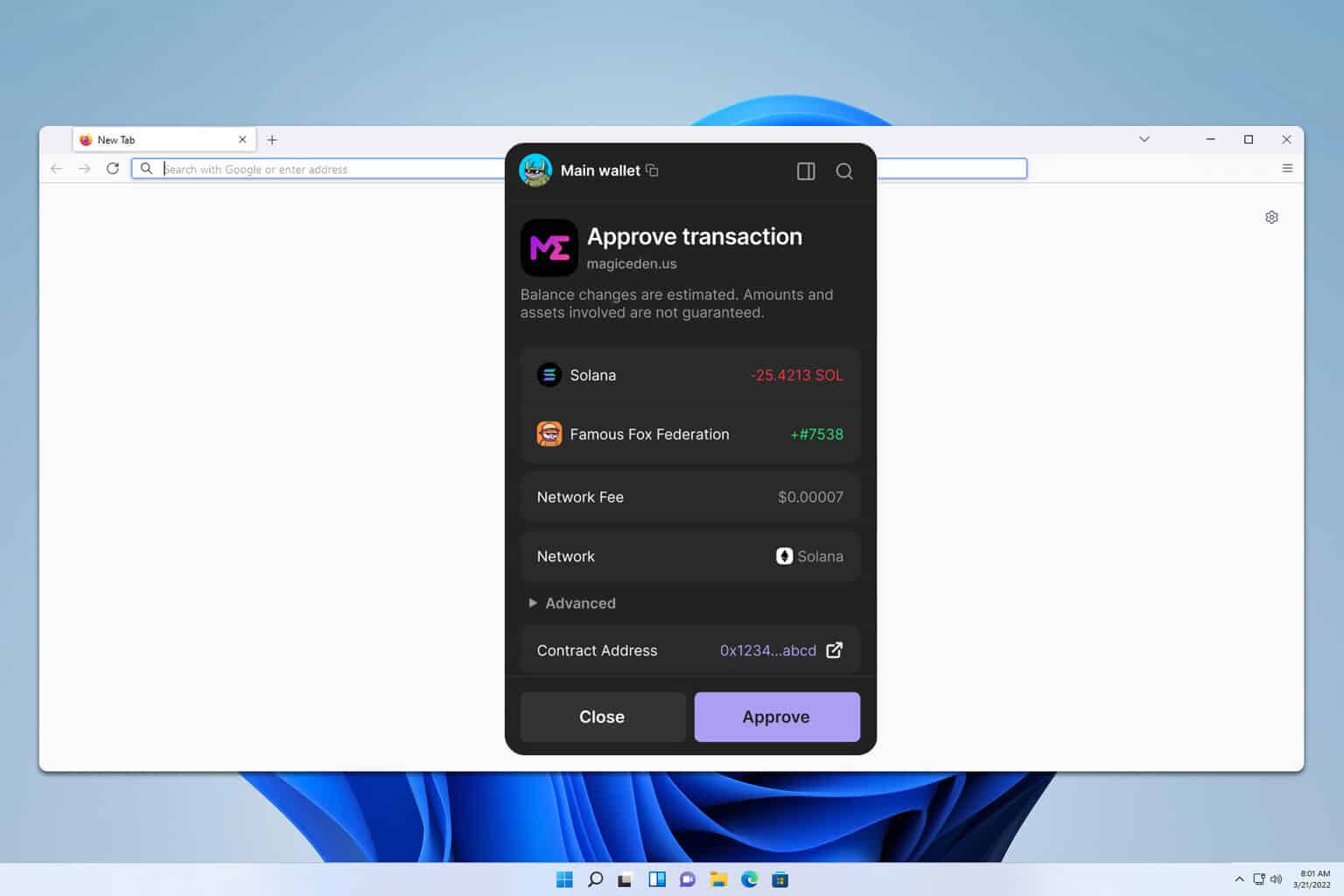
Okay, so check this out—there’s been a lot of chatter about a “web” Phantom lately. Whoa! The idea is simple on the surface: a Phantom experience you can open in a browser tab, no extension required. At first I thought that sounded convenient and harmless, but then I dug in and realized the trade-offs are more nuanced than most folks admit. My instinct said “be careful,” and for good reason.
Here’s the thing. A web-based wallet can feel like handing someone a clean, polished front door to your crypto. Short term it’s slick. Long term it can be risky if you don’t know what you’re clicking. Seriously? Yep. And I’ll be honest—this part bugs me, because the UX improvements are real, but so are the attack surfaces.
Let me walk you through what a Phantom web offering usually means, who should use it, and how to keep your SOL and SPL tokens safer while you try new dApps. Initially I thought this would be mostly about convenience, but then I realized it’s also about new vectors: hosted pages, OAuth-like connect flows, and subtle phishing variants. Actually, wait—let me rephrase that: convenience often comes at the price of a different kind of vigilance.
What “Phantom Web” really is
Phantom as an ecosystem has historically lived as a browser extension and a mobile app. A web version is essentially an in-browser app that manages keys and prompts connections through web flows rather than extension APIs. Hmm… short explanation, but practical implications run deeper. On one hand you get quick onboarding and fewer extension conflicts. On the other hand you might have keys cached in ways you didn’t expect, or you may be redirected through third-party endpoints that look official but aren’t.
One big distinction: extension wallets often hold keys locally within a secure browser context and expose a vetted extension API to dApps. Web wallets may use similar local storage techniques, or they may rely on a remote host to persist encrypted keys. On one hand local-only storage reduces remote attack surface. Though actually, local storage can be compromised by malicious extensions or bad browser security habits.
If you want an actual live demo or the official page, use the phantom wallet link I mentioned earlier as your single source of truth. I’m not trying to gatekeep—really—but use one verified link, bookmark it, and avoid random search results. I’m biased, but that small habit prevents a lot of headaches.
Why people like a web wallet
First, onboarding is simpler. New users don’t wrestle with extension stores or app installs. They open a tab and set up a wallet. Nice, right? Whoa! Second, it reduces friction when demoing products or building quick prototypes—devs can show value faster. Third, for devices where installing extensions is awkward, like some corporate machines or restricted browsers, a web flow is a pragmatic fallback.
But convenience isn’t the only metric. Speed matters on Solana, and a light web client can be snappy. Also, teams can iterate on UI without waiting for store reviews. That agility appeals to Web3 builders. Still, ease-of-use can lull users into risky behavior—accepting permission prompts without reading, or importing recovery phrases into a web form.
Security trade-offs you need to know
Short answer: treat a web wallet as you would any other web service. Longer answer: understand who holds the keys. If the web version keeps encrypted keys in your browser, then your safety hinges on your device and browser hygiene. If keys are stored server-side (even encrypted), your trust surface expands to include that provider’s operational security. Hmm… that distinction matters more than people realize.
Phishing risks increase with web wallets because attackers can spin up convincing clones. A tiny typo in a URL and you’re giving away a seed phrase. Somethin’ as simple as a redirected DNS can be costly. So: verify TLS indicators, check bookmark integrity, and if a page asks for your seed phrase, close the tab and breathe—no good wallet ever needs your seed phrase typed into a random web form.
Hardware wallets remain the gold standard. Plug a Ledger into your browser session (if supported) and approve transactions there. That means even if a web page is malicious, it can’t sign without your physical confirmation. On the flip side, web integrations for Ledger can be finicky—driver issues, permissions, and browser quirks can make it feel clunky. Still, for large balances, use a hardware device.
Practical steps to use Phantom web safely
1) Start with a fresh bookmark. Bookmark the single verified entry and use it every time. 2) Never paste your recovery phrase into a website. Ever. 3) Use a hardware wallet for sizable holdings. 4) Limit approvals—revoke dApp permissions periodically. 5) Keep a separate “hot” wallet for frequent dApp interactions and a cold wallet for long-term storage. Simple, but effective.
Also, check the wallet’s network selection. Solana has mainnet, testnet, and devnet. If you’re testing, switch to devnet. If a dApp wants permission on mainnet-beta and you don’t recognize it, stop. My instinct told me too many times to pause—and it paid off.
On a practical note, if you plan to import an existing seed into a web client, consider the tradeoff: you’re moving funds into a potentially more-exposed environment. I did this once with a small amount to test a trading UI (oh, and by the way—never more than what you can lose). That experience taught me to keep funds segmented: a small working wallet and a separate savings wallet. Works well in practice.
User experience differences and developer notes
The web flow simplifies sharing and demoing, and can include neat UX touches like one-click connect buttons and inline transaction signing modals. For developers, integrating with a web wallet can be smoother because you avoid extension compatibility hell. That said, consistency across browsers still matters—Safari and Chrome behave differently sometimes.
For power users: look for advanced features like transaction history, token management, and permission management. If a web version exposes a robust permission dashboard and clear revocation options, that’s a good sign. If it buries device management behind multiple clicks, be skeptical. I’m not 100% sure about every implementation out there, but I know what I’d look for.
Common pitfalls and how to avoid them
Phishing clones, fake browser dialogs, and malicious injected scripts top the list. Also, shared machines or public Wi‑Fi increase risk. Don’t ever create or import wallets on a public computer. Period. Simple but critical. Seriously?
Another trap: social engineering. Scammers posing as support will ask you to paste a seed or approve transactions. Support teams never need your private key or seed phrase. Never share them. If you’re unsure, close the session and verify through official channels—using that bookmarked link, remember?
Finally, assume everything is compromised until proven safe—this is the skeptical baseline. On one hand that mindset can slow you down. On the other, it prevents losses. On the whole, a little paranoia goes a long way in Web3.
Quick FAQ
Can I trust a web Phantom like an extension?
It depends. Trust hinges on implementation. If keys remain local and the app offers hardware wallet support, trust is higher. If keys are stored server-side, ask about encryption, key management, and audits. A good rule: treat it as convenient but less trusted than hardware.
What if a site asks for my seed phrase?
Close it. Immediately. No legitimate wallet will request your seed for routine actions. If you typed it somewhere, move funds from the exposed wallet to a new wallet using a hardware device—quickly—and assume the old seed is compromised.
Can I use Ledger with a web wallet?
Usually yes, via WebUSB or similar bridge technologies. It’s slightly more cumbersome than native desktop apps, but it’s the right move for securing large balances. Test a small transaction first to ensure the pairing works on your machine.
How do I spot a fake Phantom page?
Check the URL, TLS certificate, and bookmarks. Look for subtle typos, domain oddities, or extra path segments. If the UI asks for odd permissions or prompts you for a phrase, pause. Also, search official social channels for announcements before trying new pages.
Wrapping up—well, not a neat little bow, but a realistic take: web versions of Phantom can be useful, and they’ll pull more people into Solana faster, which is great. Hmm… I get excited about accessibility. But I also worry, and my gut says proceed carefully. Something felt off the first time a cloned page almost fooled me, and that memory keeps me cautious. Use hardware wallets for big sums. Use small hot wallets for experiments. Bookmark the official page. And if you ever feel rushed by a prompt—stop, take a breath, and double-check. It’s boring advice, but it saves SOL.